
Why Voicemail Loses You Jobs (And What Works Instead)
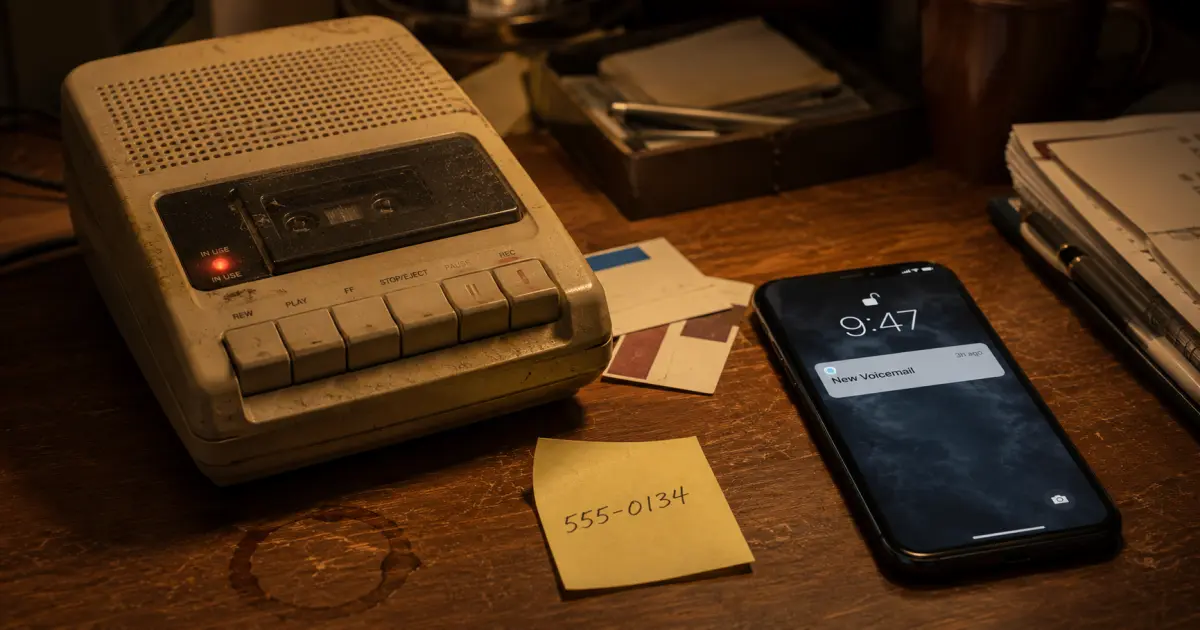
Think about the last time you needed something fixed fast. A leak, a locked door, a dead car battery. You called someone. Did it ring out? You probably hung up and called the next name on the list. You didn’t leave a voicemail and wait by the phone.
Your customers do the exact same thing. That’s why voicemail quietly costs plumbing shops more jobs than almost anything else.
People don’t leave voicemails anymore
When a homeowner has water spreading across the kitchen floor, they are not in the mood to talk to a recording. They want a human, right now. If they get your voicemail, one of two things happens:
- They hang up and call the next plumber.
- They leave a quick, vague message and keep calling other plumbers while they wait.
Either way, you’re now in a race you didn’t know you’d entered, and the other guy got a head start.
The voicemail you do get is often useless
Even when someone leaves a message, you often get half the story. A name you can’t quite make out. A number said too fast. “My toilet’s doing the thing again, call me back.” Now you’re playing phone tag, and every hour that passes is another hour they might book someone else.
By the time you connect, the urgency is gone, or the job is gone.
Why this hits plumbers especially hard
Plumbing is an emergency trade. A lot of your best calls come at the worst times: nights, weekends, holidays, the middle of a job. Those are exactly the calls voicemail eats. And emergency jobs are often your most profitable ones, the calls where the customer cares more about “right now” than about shopping around on price.
Miss those and you’re leaving the best work on the table.
What works instead
The goal is simple: a real conversation, every time, no matter when they call. A few ways shops get there:
- Answer everything yourself. Not realistic when you’re working with your hands all day.
- Hire a receptionist. Covers business hours, but the after-hours emergencies still hit voicemail, and good help isn’t cheap.
- Use a virtual front desk. A voice assistant picks up every call, talks the customer through it, flags real emergencies, books the job, and texts you the details. Nights and weekends included.
The third option is what most small shops are moving to, because it covers the calls a human can’t without the cost of a full-time hire.
The bottom line
Voicemail feels free. It isn’t. Every call that hits it is a coin flip on whether you keep that customer or hand them to a competitor. Replace the dead end with a real conversation and you keep jobs you’re losing right now without even knowing it.
Want to hear what that sounds like? Book a quick demo and we’ll walk you through a real call.